EU flexibility: €14bn and solar energy
On 3 June 2026, the Italian government announced €14bn of EU flexibility in public accounts for energy measures, spread over three years.
The funds add to the 2026 PNRR Decree. For solar and agrivoltaic installers, the practical variables are allocations, deadlines and execution capacity.
EU flexibility: funds and energy measures
Prime Minister Giorgia Meloni called the result “extremely important”: the European Union granted Italy €14bn of budget flexibility for energy measures over three years.
Economy Minister Giancarlo Giorgetti confirmed the government’s satisfaction and warned that the resources “must not be wasted”.
The announced measures include a decree law of around €500m for targeted energy support, including a monthly bonus of around €100 for Carta Dedicata a Te beneficiaries, and a €2bn reallocation from PNRR funds already allocated to energy interventions.
2026 PNRR Decree: funding for CER, agrivoltaics and biomethane
EU flexibility adds to the 2026 PNRR Decree on renewables. It allocates over €4bn to Renewable Energy Communities (CER), agrivoltaics and biomethane.
- CER: around €795m, with non-repayable grants up to 40% for municipalities under 50,000 inhabitants and incentive tariffs for shared energy between €80 and €120/MWh.
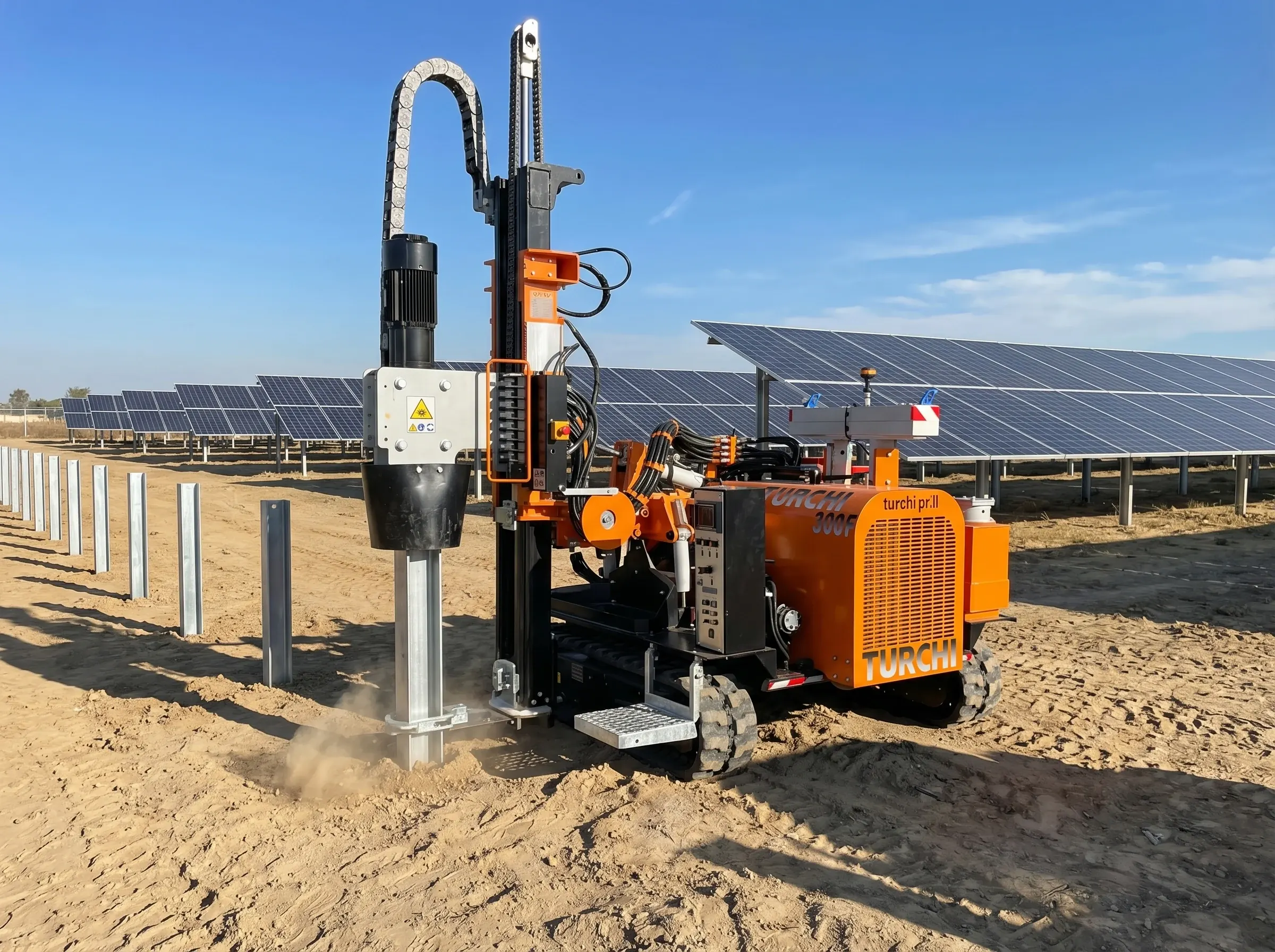
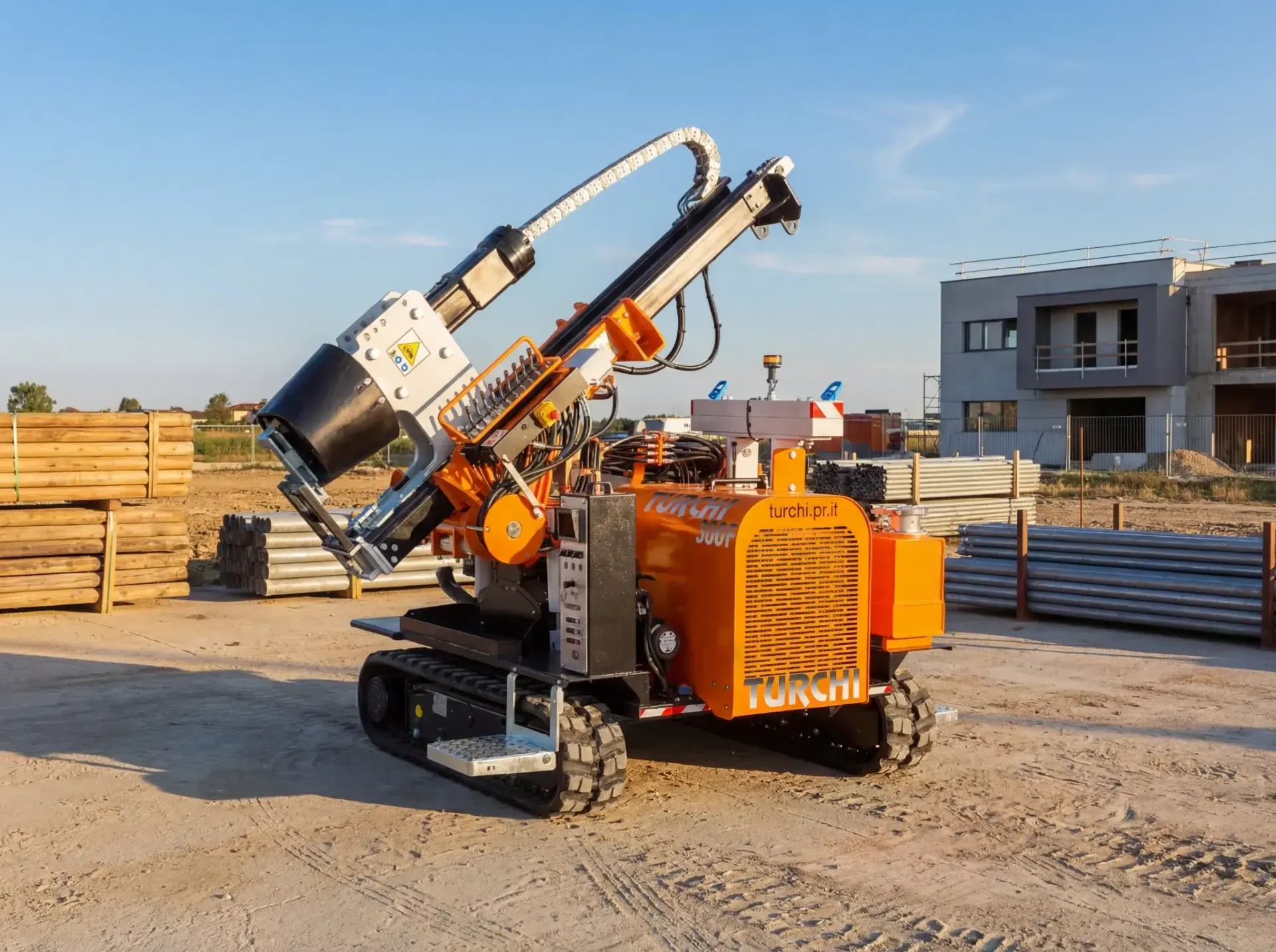
- Agrivoltaics: over €1bn for plants that produce solar energy without taking land away from agricultural activity. It is the segment closest to companies building utility-scale plants on agricultural land, where TURCHI pile drivers operate.
- Biomethane and other interventions: over €2bn.
The chart shows €14bn of EU flexibility, €2bn reallocated from the PNRR, over €2bn for biomethane and other interventions, over €1bn for agrivoltaics and around €0.795bn for CER, equal to about €795m.
Operational effects on solar sites
The allocations may become additional sites after a natural delay, but they do not guarantee extra volumes for every installer. Installers and EPCs on utility-scale solar and agrivoltaic plants may see a broader project portfolio, together with more competition for execution slots.
When projects enter execution, driving speed, GPS accuracy and pile-handling logistics determine schedule performance. A delay on a funded project can affect margins and contractual penalties.
CER and hyper-depreciation deadlines
The measures have defined time windows:
- CER: financing agreements signed by 30 June 2026, plants built and commissioned within 24 months of signing so the grant is not lost.
- 2026 hyper-depreciation: applies to machine investments, including pile drivers, from 1 January 2026 to 30 September 2028.
For companies that qualify for both measures, aligning the funded site with a purchase under 2026 hyper-depreciation may improve the total return on investment.
Operational capacity for utility-scale projects
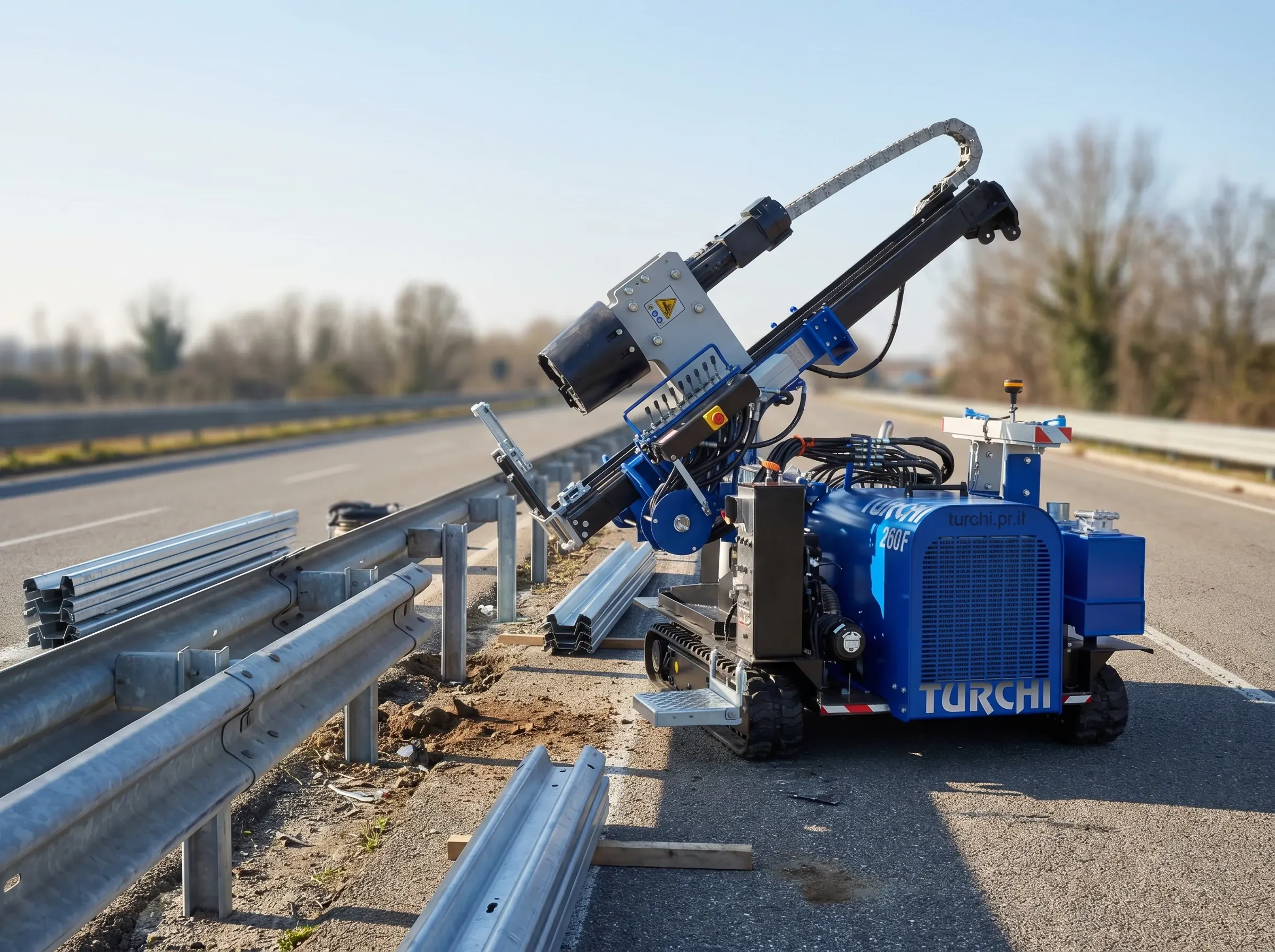
Managing more utility-scale projects requires a machine sized for the workload and logistics that do not interrupt the driving cycle.
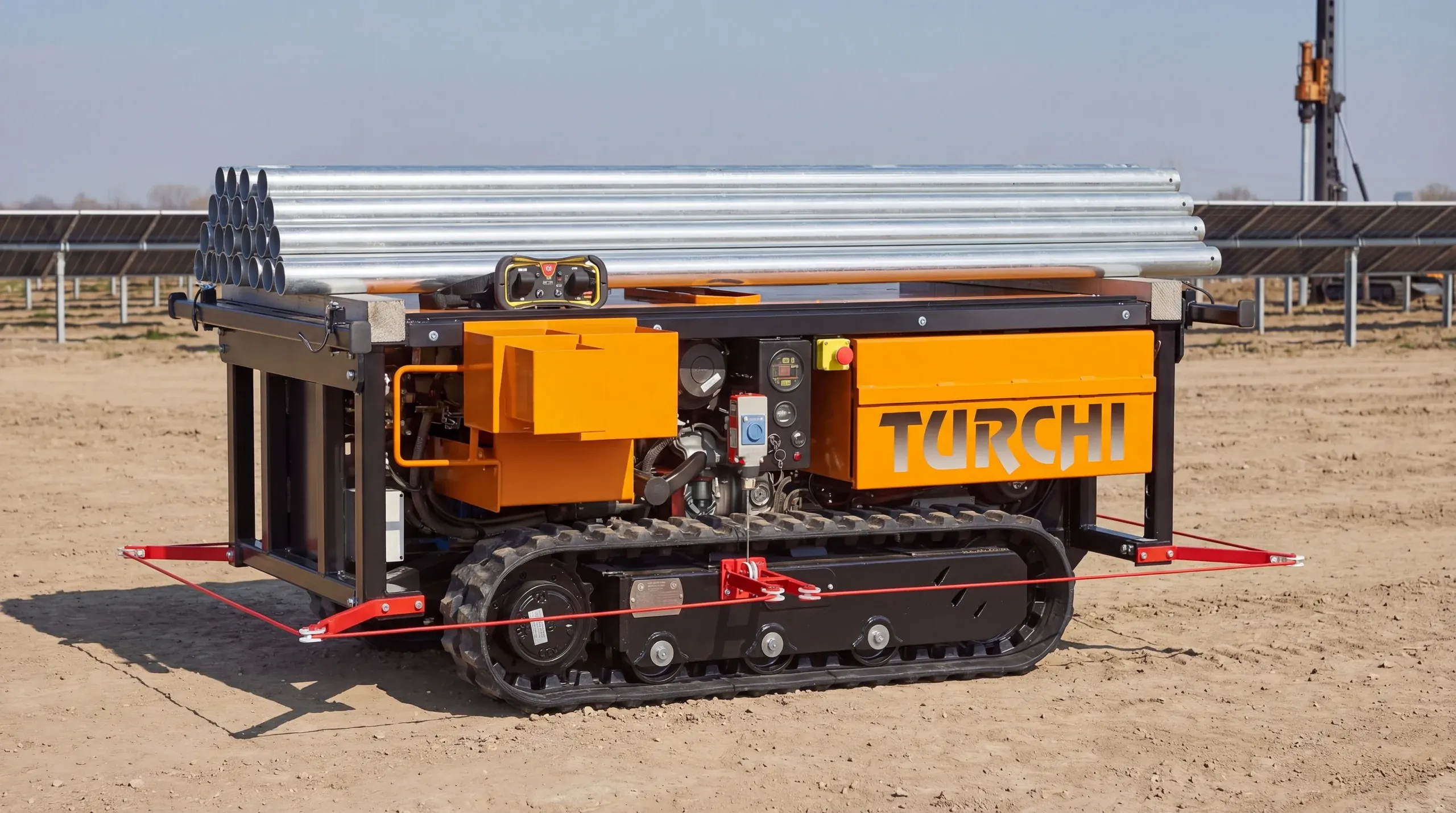
The TURCHI 300F is designed for a productivity of 150 piles per day. The tracked pile carrier feeds the machine and limits site stoppages.
To size the fleet for funded projects in 2026-2028, use the 7-step configurator based on your volumes and site conditions.
Frequently asked questions
Can't find what you're looking for? Browse the full FAQ list. Reach out via a support request or email us at [email protected].
They are €14bn of budget margin granted by the European Union to Italy for energy measures, spread over three years. They include a €2bn reallocation from PNRR funds already allocated and a decree of around €500m for targeted energy support.
The decree allocates over €4bn to Renewable Energy Communities (CER), agrivoltaics and biomethane. Agrivoltaics receives over €1bn, while CER receives around €795m with non-repayable grants up to 40% in municipalities under 50,000 inhabitants.
CER financing agreements must be signed by 30 June 2026 and plants must be commissioned within 24 months of signing. The 2026 hyper-depreciation measure applies to machine investments until 30 September 2028.
More public funding for solar and agrivoltaics may expand the project portfolio over the next three years, but it does not guarantee additional work for every installer. A machine sized for utility-scale volumes, such as the TURCHI 300F, and efficient site logistics help manage potential funded projects and their contractual deadlines.